On this page (7 sections)
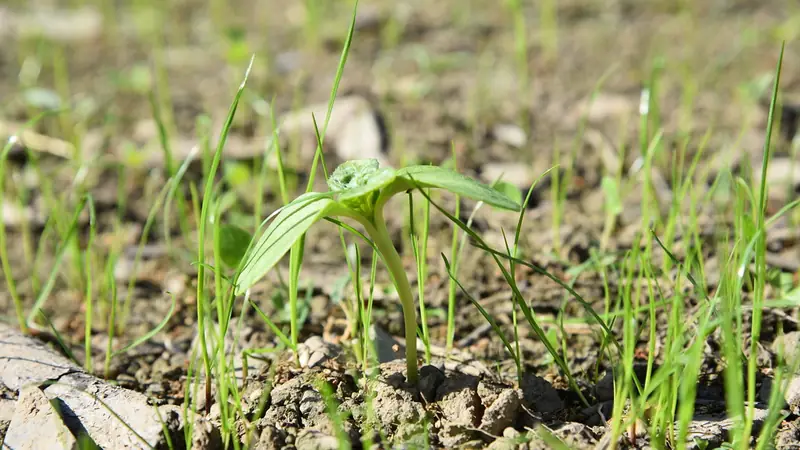
Watering a new lawn is different from watering an established one. Seedlings and freshly laid sod have tiny, shallow root systems that cannot survive the drying spells an established lawn shrugs off. Penn State Extension puts it bluntly: the 4 to 8 weeks after seeding or sodding are critical, and more new lawns fail because of improper follow-up care than for any other reason.
New grass seed: keep the surface moist
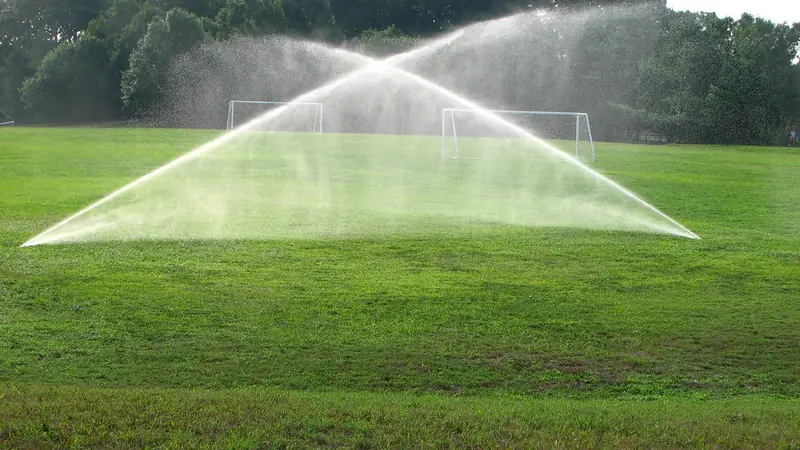
Penn State’s guidance is that the soil should be moist at all times, but not excessively wet, which is usually done with light, frequent irrigation — often daily, sometimes more on hot, windy days. Water less during rainy periods, in cool overcast weather, and when the seedbed is mulched.
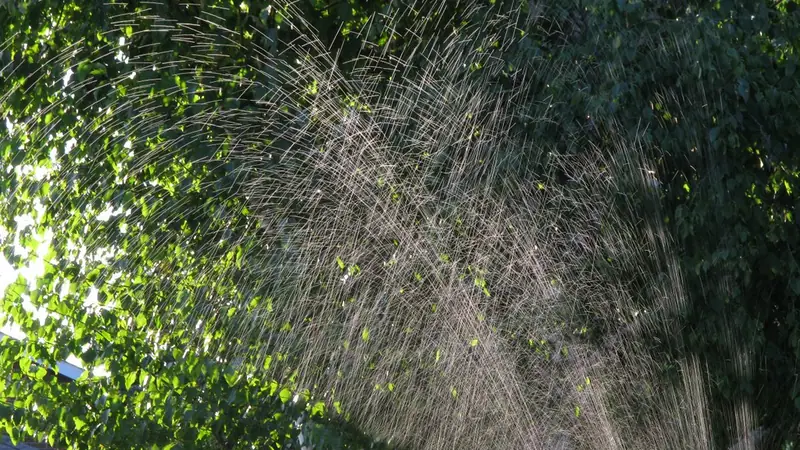
- Use a fine spray so seed and soil are not washed away.
- Stop before puddles form or water runs off.
- As seedlings establish, water a little less often and more deeply so roots grow down.
Clemson Extension makes the same point from the other side: lawns should never be watered every day except during the establishment of newly seeded, sodded or sprigged lawns.
New sod: soak it, then keep it moist until rooted
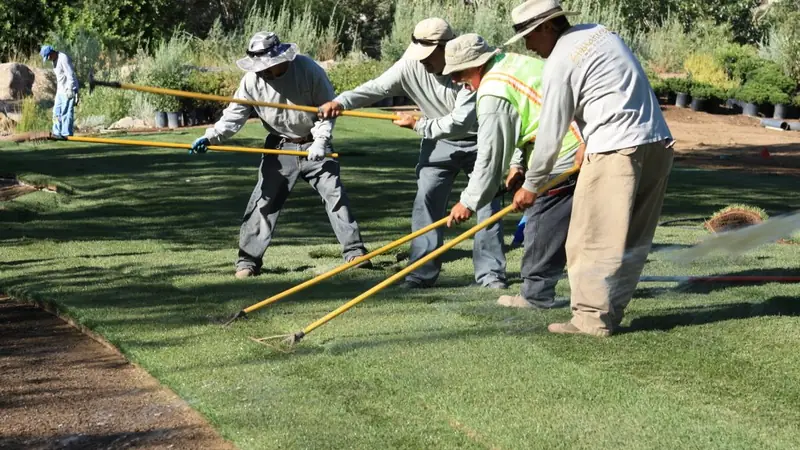
For sod, the first watering must move through the sod and wet the soil underneath — Penn State names lack of water as the most common cause of sod failure. After that, water daily if needed until the sod is well rooted, which can take up to 4 weeks. Do not walk on it once watering has started.
How much water is that?
Light waterings for seed are small amounts often; for sod, enough to wet the soil a few inches below. To see what a given depth means in gallons for your lawn — and how many minutes your sprinkler needs — use the Lawn Watering Calculator. One inch of water over 1,000 sq ft is about 623 US gallons.
Straw mulch over new seed
Mulch helps hold moisture, stops seed washing away and reduces crusting. Penn State recommends straw (not hay) at 80 to 100 lb per 1,000 sq ft on level or gently sloping ground, and notes a typical bale weighs 30 to 40 lb. Too much straw smothers seedlings; too little does not hold moisture.
| Lawn area | Straw | Bales (30–40 lb) |
|---|---|---|
| 500 sq ft | 40–50 lb | 1–1.7 bales |
| 1,000 sq ft | 80–100 lb | 2–3.3 bales |
| 2,500 sq ft | 200–250 lb | 5–8.3 bales |
| 5,000 sq ft | 400–500 lb | 10–16.7 bales |
Rates from Penn State Extension (level or gently sloping areas); bale counts are the arithmetic range — steeper slopes need more.
First mowing
Penn State advises starting when the grass is no more than one-third taller than the height you want to keep — for a 3-inch lawn, just before it reaches 4 inches — with a lightweight mower. Test first: if grass springs back up after you step on it, it is probably ready.
Feeding a new lawn
Penn State recommends starter fertilizer just before or just after seeding at 0.5 to 1 lb of nitrogen per 1,000 sq ft (more than 1.5 lb can burn young turf), and an additional ½ lb of nitrogen per 1,000 sq ft 4 to 8 weeks later to thicken the stand. Convert those rates into pounds of product with the Fertilizer Calculator.
Sources
- Penn State Extension — Lawn Establishment (P. Landschoot) — Seeding and sodding times, seedbed preparation, seed labels and pure live seed, starter fertilizer, straw mulch, sod installation and care of new lawns (Pennsylvania).
- Clemson Cooperative Extension HGIC 1207 — Watering Lawns — Signs of drought stress, how much water to apply, morning watering, sprinkler calibration and run-time table (South Carolina).
Sources were checked when this guide was published. Where published guidance differs, this guide says so; for structural work, follow your local specification.
Worked examples are generated by the same tested calculation engine as our calculators. See our editorial policy and methodology.