On this page (7 sections)
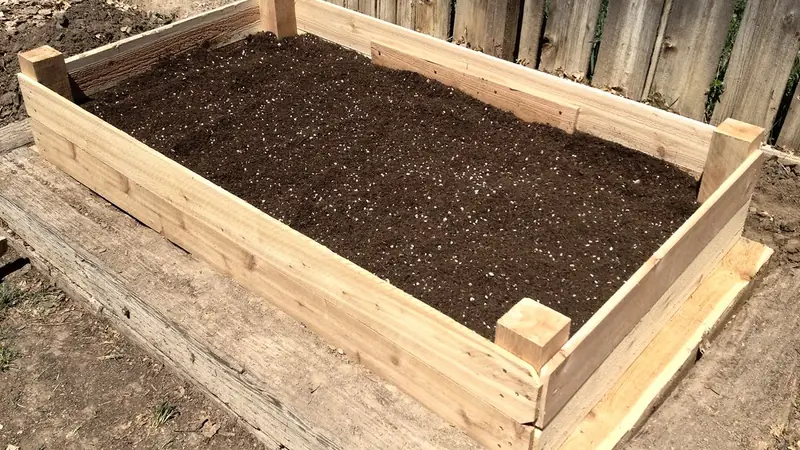
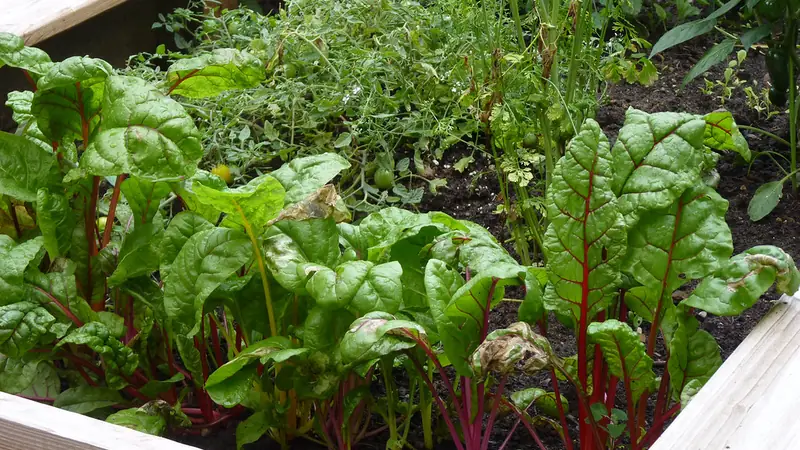
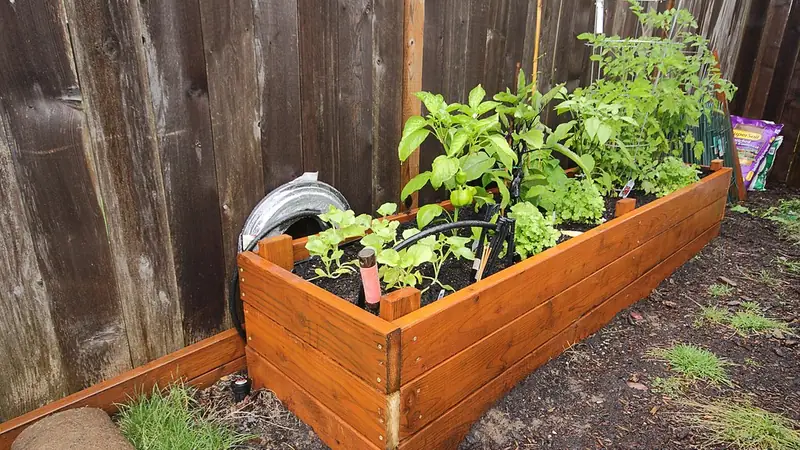
Raised beds put good soil exactly where you grow. University of Maryland Extension lists the advantages: soil that is never compacted by footsteps, less erosion, and higher yields per square foot thanks to better fertility and root growth. The trade-offs, it notes, are that beds dry out quickly in hot, dry weather and you have to plan the garden around the bed layout.
Size
- Width: Maryland says beds are usually 2 to 4 feet wide; Clemson recommends 3 to 4 feet so you can reach the center from either side without stepping in.
- Length: as long as you like (Maryland).
- Height: Maryland describes raised beds as typically 2 to 12 inches high. On hard surfaces, it suggests at least 8 inches of soil for leafy greens, beans and cucumbers, and 12 to 24 inches for tomatoes, peppers and squash.
- Paths: permanent paths between beds let you stand or kneel without compacting the growing soil (Maryland). Wood chips, bark, brick or heavy landscape fabric work for paths.
Site
Clemson recommends a well-drained site with at least six hours of direct sun a day, preferably near a water source and somewhere you walk past daily so you notice pests early. Maryland suggests a sunny, level site that drains well.
Framing materials
Maryland lists stone, bricks, concrete blocks, wood boards (oak, locust, poplar, cedar) and rigid recycled-plastic boards — or no frame at all: a bed with sloped sides. Clemson describes unframed mounded beds 4 to 8 inches high with sides sloping at about 45 degrees. Maryland’s extension site also has guidance on the safety of materials, such as treated wood, for food gardens.
Prepare the ground
- Smother grass first (Maryland): lay plain cardboard or overlapping newspaper and cover with 2 to 4 inches of compost in fall or early spring; turf and weeds die in 6 to 8 weeks and decompose in place.
- Loosen, don’t flip. Push a garden fork or spade in, rock it back and forth, move 6 to 8 inches and repeat — this loosens the subsoil for drainage without bringing weed seeds up (Maryland).
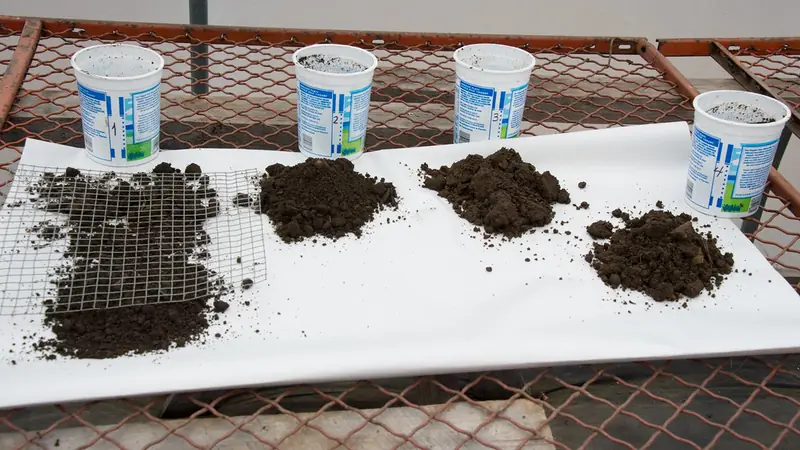
- Test the soil if you will use any existing garden soil, including for lead if you are growing food (Maryland). See how to test your soil.
Fill it
Maryland recommends compost and topsoil in a 1:2 or 1:1 ratio; see the best soil mix for raised beds for other extension recommendations and what to avoid. Volumes for common bed sizes:
| Bed | Volume | Order |
|---|---|---|
| 8 × 4 ft, 6 in deep | 16 cu ft | 0.59 cu yd |
| 8 × 4 ft, 12 in deep | 32 cu ft | 1.19 cu yd |
| 10 × 3 ft, 12 in deep | 30 cu ft | 1.11 cu yd |
| 12 × 4 ft, 18 in deep | 72 cu ft | 2.67 cu yd |
Exact volumes for a level fill; soil settles, so allow a little extra and top up each year. Use the Topsoil Calculator for your sizes and the Compost Calculator for the compost share.
Keep it productive
Clemson recommends replenishing beds with compost regularly, since organic matter keeps breaking down, and covering them with about 2 inches of pine straw, leaves, compost or a cover crop when nothing is growing.
Sources
- University of Maryland Extension — Building Raised Beds for Vegetable Gardening — Raised bed sizes, enclosure materials, soil mix, and advantages and disadvantages.
- University of Maryland Extension — Soil to Fill Raised Beds — Preparing the ground under a raised bed and bed depths for different crops.
- Clemson Cooperative Extension HGIC — Raised Beds — Bed width, site selection and sunlight.
Sources were checked when this guide was published. Where published guidance differs, this guide says so; for structural work, follow your local specification.
Worked examples are generated by the same tested calculation engine as our calculators. See our editorial policy and methodology.