On this page (7 sections)
A raised bed lets you start with better soil than your yard may have. But what you fill it with matters: bagged mixes vary widely, and the obvious choices — all compost, or potting soil — cause problems. University extension services recommend a blend of topsoil and compost. For the total volume your bed needs, see how much soil for a raised garden bed.
Recommended mixes
| Source | Mix |
|---|---|
| University of Minnesota | ½ to ⅔ topsoil, ⅓ to ½ plant-based compost |
| University of Maryland | Compost : topsoil at 1:2 or 1:1 — or compost : soilless mix 1:1 |
| Penn State | 70% soil, 30% compost |
| Clemson | Compost at 10–20% of the bed volume |
The common thread is mostly good mineral soil with a substantial share of compost. Minnesota suggests looking for loam or sandy loam topsoil and avoiding very sandy or clay soil; if the topsoil has a lot of clay, it notes you may add some sand to create a more loamy texture.
How much of each for a 4 × 8 bed
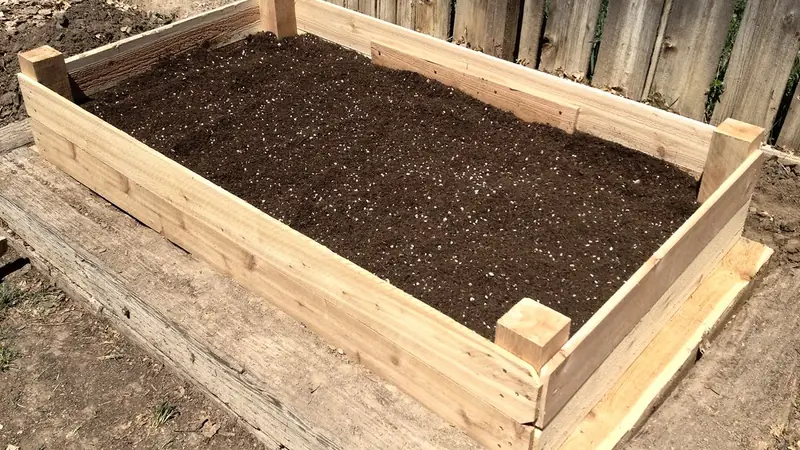
A 4 × 8 ft bed filled 12 inches deep holds 4 × 8 × 1 = 32 cu ft (1.19 cu yd).
| Mix | Topsoil | Compost |
|---|---|---|
| 1:1 compost : topsoil (Illinois, Maryland) | 16 cu ft | 16 cu ft |
| 1:2 compost : topsoil (Maryland) | 21.3 cu ft | 10.7 cu ft |
| 70% soil : 30% compost (Penn State) | 22.4 cu ft | 9.6 cu ft |
| 10–20% compost (Clemson) | 27.2 cu ft | 4.8 cu ft |
Exact volumes for a level fill. Soil settles, so allow a little extra and top up yearly. For other sizes use the Topsoil Calculator and Compost Calculator.
What to avoid
- All compost. Minnesota warns compost dries out quickly and can repel water if it gets too dry. Heavy, regular compost use can also build up phosphorus and salts.
- Potting soil. Fine for pots and seedlings, but Minnesota says it dries out too quickly in raised beds.
- Lots of manure. Minnesota notes manure and composted manure are high in phosphorus; use them only when a soil test shows a need.
- Mystery “organic soil”. Maryland points out that bagged “organic soil” often contains no topsoil at all — just wood waste, bark fines, compost and peat.
Buying topsoil
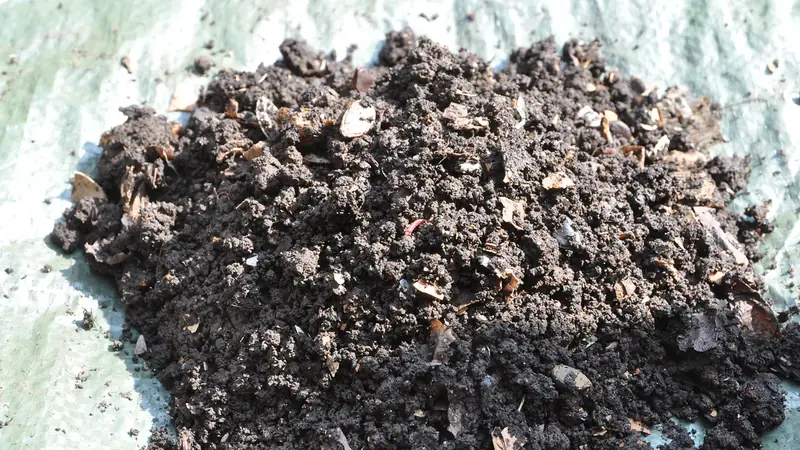
Maryland notes that topsoil sales are unregulated in that state. It advises buying from a reputable dealer, asking for soil test results and the origin of the soil, and inspecting it: good topsoil is dark and crumbly with an earthy smell; avoid soil that is very sandy or clay, foul-smelling, grayish-mottled, or chalky, sticky or rough. Some suppliers sell a ready topsoil–compost blend that works well in beds. Bulk is usually much cheaper than bags — compare with the Bulk vs Bagged Cost Calculator.
How deep should the soil be?
For beds on hard surfaces, Maryland suggests at least 8 inches for leafy greens, beans and cucumbers, and 12 to 24 inches for peppers, tomatoes and squash. On open ground, roots can grow into the soil below — Maryland recommends loosening it with a garden fork first so it drains well. Clemson suggests keeping beds 3 to 4 feet wide so you can reach the middle without stepping in.
Keeping it productive
Organic matter keeps decomposing, so Clemson advises replenishing raised beds with compost regularly. Penn State recommends disturbing the soil as little as possible and keeping it covered — with mulch or a cover crop — when nothing is growing.
Sources
- University of Minnesota Extension — Raised Bed Gardens — Ideal topsoil-to-compost mix, why potting soil and too much compost cause problems, and manure cautions.
- University of Maryland Extension — Soil to Fill Raised Beds — Compost-to-topsoil ratios, beds on hard surfaces, minimum depths and buying topsoil.
- Penn State Extension — Soil Health in Raised Beds — Recommended 70% soil to 30% compost mix and soil health principles for raised beds.
- Clemson Cooperative Extension HGIC — Raised Beds — Compost at 10–20% of the bed volume, bed width and site selection.
Sources were checked when this guide was published. Where published guidance differs, this guide says so; for structural work, follow your local specification.
Worked examples are generated by the same tested calculation engine as our calculators. See our editorial policy and methodology.