On this page (6 sections)
Every fall, millions of bags of leaves go to the curb. Extension specialists would rather you kept them: leaves are free organic matter for the lawn, the beds and the compost pile. Illinois Extension calls them “a valuable amendment for our gardens and lawns that nature provides us with each year.”
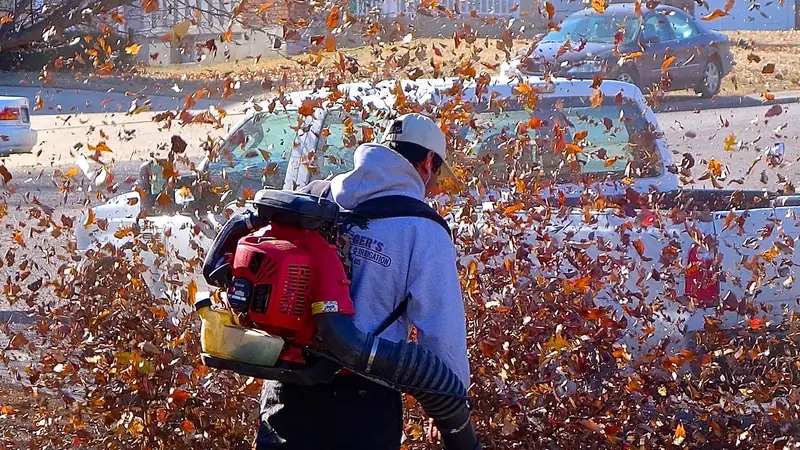
On the lawn: mow them in
Purdue’s turfgrass specialist says moderate amounts of leaves can simply be mowed and mulched into the lawn with no harm. He cites Purdue research findings:
- Oak and maple leaves can be mulched in with no harmful effects on soil or turf, and usually improve soil structure.
- Mulching leaves into turf does not increase thatch or disease.
- Leaves have no effect on soil pH and no measurable effect on nutrient availability.
- Mulching leaves does not increase weeds — some Michigan research even suggests it can reduce dandelions.
When to rake instead: when there are so many leaves that you can’t see the grass underneath, rake (or mow and bag) them, because heavy layers shade out, smother and kill turf (Purdue, Illinois).
In beds: free mulch
- Shred first. Illinois Extension: shredded leaves break down faster and are less likely to blow away — and you don’t need a shredder; just run the mower over them.
- About 2 inches. Illinois says a 2-inch layer of shredded leaves on a bed becomes a soft leaf mulch by spring that reduces weeds and holds moisture. Clemson recommends 2–3 inches of coarsely shredded leaves for weed control, but no more than 2 inches of finely shredded leaves, which can mat.
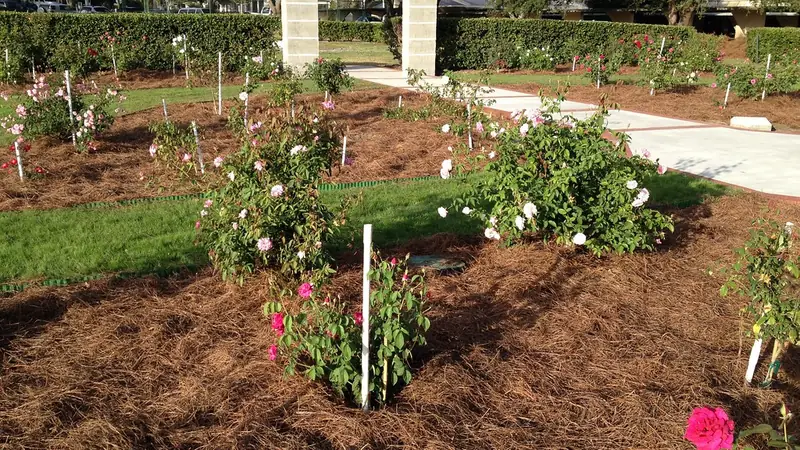
- Insulation. Illinois suggests a wire or burlap cage filled with leaves to protect tender perennials such as tea roses, and leaves around root crops for late-fall frost protection. Whole leaves work here because they don’t pack down.
How much do leaves add? Illinois Extension quotes about 150 lb of nitrogen, 20 lb of phosphorus and 65 lb of potassium per acre from a 2-inch layer of leaf mulch.
- Per 1,000 sq ft: 150 ÷ 43.56 = 3.44 lb nitrogen (1 acre = 43,560 sq ft)
Nutrients are released slowly as the leaves break down. Illinois notes leaf mulch has no significant effect on soil pH — even acidic oak leaves end up near neutral.
In the vegetable garden: dig them in
Illinois Extension suggests spreading 6 to 8 inches of fall leaves on a garden and tilling them in, which improves tilth, drainage and organic matter — and stops winter winds blowing them away. Or mow or blow leaves onto beds to work in now or to leave as a mulch layer until spring.
Compost them
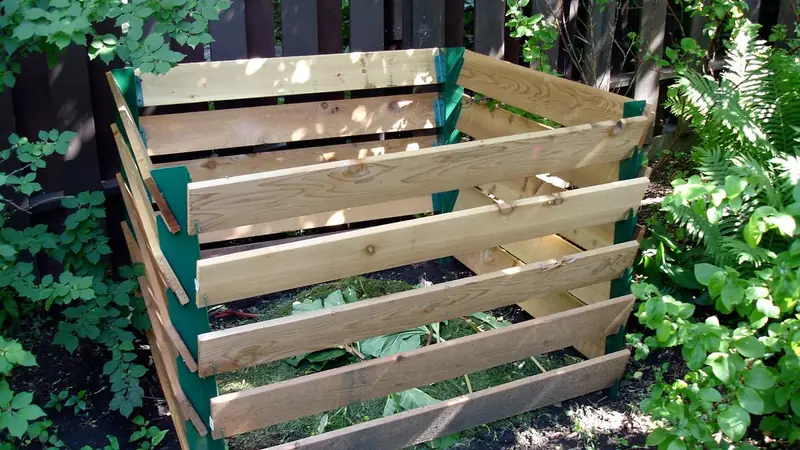
Leaves are the classic “brown” ingredient. A bag of mower-collected leaves already mixes browns (leaves) and greens (grass clippings), Illinois notes. Combine leaves with kitchen fruit and vegetable scraps for compost by next summer. For leaf mulch alone, pile leaves or put them in a simple wire bin: Illinois says shredded leaves are ready in about 6 months, whole leaves in 9 to 12. See how to compost at home.
Leave some for wildlife
Illinois Extension suggests raking some leaves from the lawn into planting beds and leaving them whole, to give overwintering insects habitat.
Sources
- Purdue Extension — Fallen Leaves and Tree Maintenance in Autumn — Mulching leaves into turf (Purdue research) and autumn tree mulching.
- Illinois Extension — Don’t Bag Your Fall Leaves, Use Them — Leaf mulch nutrients, shredding, tilling leaves into gardens and making leaf mulch.
- Illinois Extension — What to Do with All Those Leaves — Mowing leaves into the lawn, when to bag them, and composting leaves with clippings.
- Clemson Cooperative Extension HGIC 1604 — Mulch — Benefits of mulch, organic and inorganic materials, depths by texture, when to mulch, spacing from stems and buildings, tree rings and sour mulch.
Sources were checked when this guide was published. Where published guidance differs, this guide says so; for structural work, follow your local specification.
Worked examples are generated by the same tested calculation engine as our calculators. See our editorial policy and methodology.