On this page (6 sections)
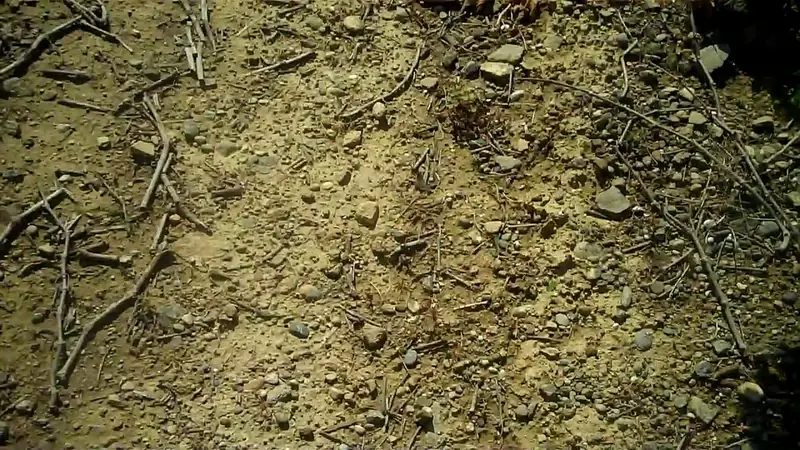
Clay soil holds water and nutrients well, but its tiny, tightly packed particles leave little room for air and water to move. It drains slowly, stays cold in spring, cracks in summer and is hard to dig wet or dry. Oregon State University Extension lists exactly these signs as reasons a soil probably needs amending. The good news: clay can be improved — with the right material and patience.
Organic matter is the answer
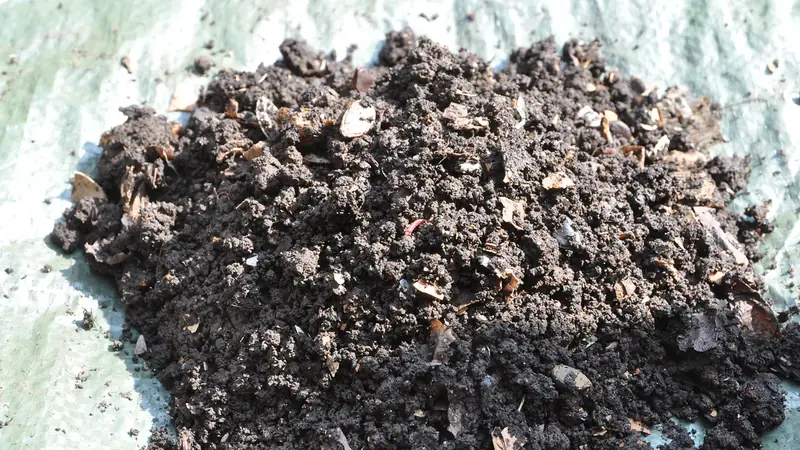
Every extension source we consulted agrees: adding organic matter is the best way to improve clay. Oregon State explains that in clay soils it improves drainage and aeration and helps the soil dry and warm more quickly in spring. Colorado State University describes how, over a period of years, organic matter glues tiny clay particles into larger aggregates, increasing pore space so roots can reach more water and nutrients. Good choices include:
- Compost — homemade or bought.
- Leaf mold or shredded leaves — Clemson notes leaves also add nutrients such as potassium, calcium and magnesium.
- Well-rotted manure — composted first; fresh manure can burn roots.
- Fine bark “soil conditioner”, which Clemson calls excellent for adding organic matter to clay.
Oregon State adds a warning: confirm that bought organic materials were not treated with persistent herbicides, which can injure plants.
Why not sand or gypsum?
Adding sand to “loosen” clay is the most common mistake. Clemson Extension calls it a myth: sand worked into clay gives the clay particles a surface to stick to, and the result is “a concrete-like mixture that is more difficult to work than just clay alone.” Oregon State agrees that sand alone can make silt or clay soils more compacted, and Utah State says simply: avoid amending clay with sand.
Gypsum is the other popular fix. Clemson notes its structural effects are often short-lived and must be repeated each year, and that tillage and aeration are the surest ways to reduce compaction. Utah State recommends gypsum only for a sodic (high-sodium) soil confirmed by a lab test.
How much compost?
The sources give similar starting points:
| Source | Recommendation |
|---|---|
| Clemson | 2 in into the top 6 in (about 25% by volume) to start; more than 50% organic matter may harm plants |
| Oregon State | 1–3 in of composted material worked into the top 6–8 in |
| Colorado State | Plant-based compost 2–3 in, mixed 6–8 in deep, for new beds |
| Utah State | 1–2 in a year; 1 in prevents a net loss, 2 in builds soil |
Colorado State stresses depth on clay: mix compost into the top 6 to 8 inches, because shallower incorporation on compacted or clayey soils can leave plants shallow-rooted, less vigorous and less stress-tolerant.
| Bed area | Compost | Order |
|---|---|---|
| 100 sq ft | 16.7 cu ft | 0.62 cu yd |
| 200 sq ft | 33.3 cu ft | 1.23 cu yd |
| 500 sq ft | 83.3 cu ft | 3.09 cu yd |
Exact volumes. Try other areas, depths and bag sizes in the Compost Calculator.
When and how to work clay
- Never when wet. Utah State warns that tilling wet soil creates compaction and hardpan in clay.
- Few passes. Oregon State advises one or two passes to mix amendments in; over-tilling can create a dense layer that impedes roots and drainage.
- Mix evenly. Colorado State says not to leave compost in chunks or as a layer.
- Test first. Utah State recommends a soil test before adding compost or manure, which can be high in phosphorus, potassium and salts. See how to test your soil.
- Mulch afterwards to keep adding organic matter from the top.
Be patient
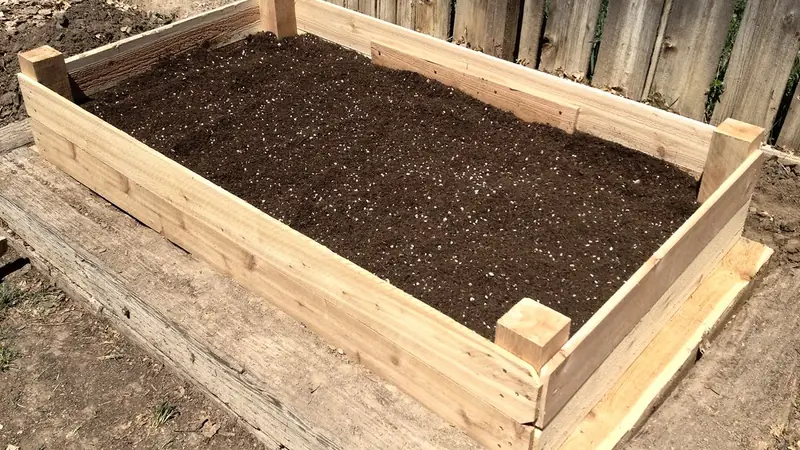
Utah State reminds gardeners not to expect immediate results: soils improve over time, and adding organic matter every year gradually builds better soil. Where clay is very poor or wet, a raised bed with a good soil mix is a faster route to a productive garden.
Sources
- Oregon State University Extension — Add Organic Matter to Improve Most Garden Soils — Signs a soil needs amending, organic vs inorganic amendments, why sand alone makes clay worse, and how much compost to work in.
- Clemson Cooperative Extension HGIC 1655 — Soil Conditioning — Myths about sand and gypsum in clay, sources of organic matter, starting rates and the 50% caution.
- Utah State University Extension — Preparing and Improving Garden Soil — Organic matter as the best amendment, testing before adding compost or manure, timing and annual rates.
- Colorado State University Extension — Vegetable Gardens: Soil Management and Fertilization — Compost application rates by type, incorporation depth, salt cautions and nutrient release from compost.
Sources were checked when this guide was published. Where published guidance differs, this guide says so; for structural work, follow your local specification.
Worked examples are generated by the same tested calculation engine as our calculators. See our editorial policy and methodology.