On this page (7 sections)
A rain garden is a shallow, planted low area that catches runoff from roofs, driveways and walkways and lets it soak into the ground. The University of Minnesota Extension notes rain gardens filter pollutants before water reaches lakes and streams, prevent erosion with deep-rooted plants and need little watering once established. Illinois Extension adds that they can relieve local flooding in yards where water stands after heavy rain.
Where to put it
- Upstream of the problem. Illinois suggests slightly higher ground “upstream” from the area that ponds; Minnesota says to place it where it can intercept runoff before it reaches a lake or stream.
- At least 10 feet from buildings to protect foundations and basements (Minnesota, Illinois).
- Away from septic systems — Minnesota recommends at least 35 feet from a drain field — and well away from drinking-water wells.
- Not under trees without consulting an arborist (Illinois).
- Check before you dig for buried utilities — Minnesota points residents to the state’s one-call service — and follow local codes (Illinois).
Test the soil first
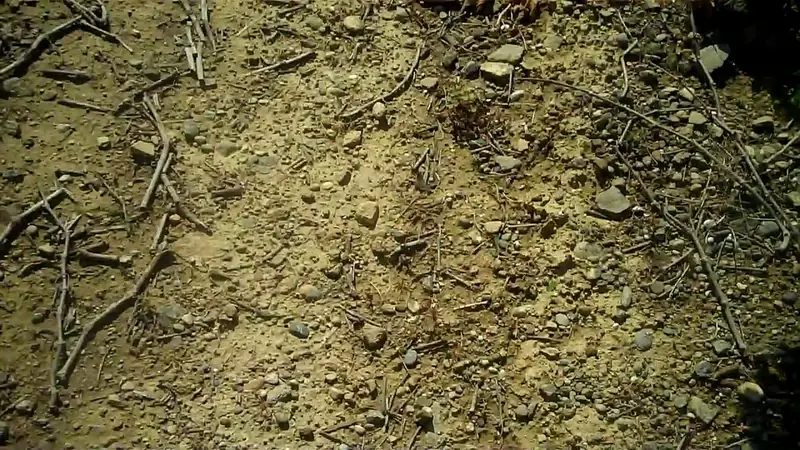
Minnesota explains the soil must soak up water within 48 hours, so plants don’t drown and mosquitoes can’t breed. Its simple test: dig a wide hole 10 inches deep and fill it with water. If it drains within 48 hours, the site is suitable. If not, try another spot. Illinois runs a similar percolation test aiming for water to soak in within 24 hours. Compacted or clay soils are often why water stands in the first place — see how to improve clay soil.
How big?
Minnesota’s guidance: a rain garden handles runoff from a hard surface about three times its own size, and typical home rain gardens are 100 to 300 sq ft. Large roofs may need a rain garden at each downspout.
| Roof or paving drained | Rain garden |
|---|---|
| 300 sq ft | about 100 sq ft |
| 600 sq ft | about 200 sq ft |
| 900 sq ft | about 300 sq ft |
Using Minnesota Extension’s rule that a garden handles runoff from about three times its area. Measure roof sections and paving with the Square Footage Calculator. Local design guides may size differently for your soil.
Shape and digging
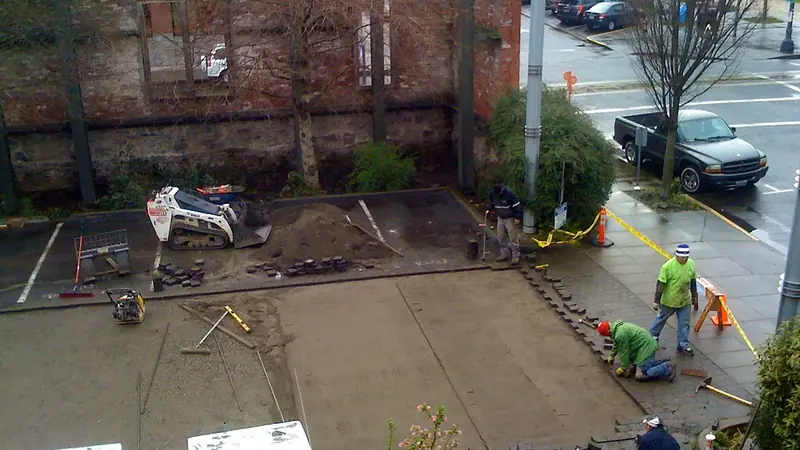
- Lay out the shape with a rope or hose. Crescent or kidney shapes look natural; a long, narrow garden fits between a house and a sidewalk (Minnesota).
- Dig the basin with a level bottom for even soaking (Minnesota).
- On a slope, use the excavated soil to build a berm on the downhill side (Minnesota).
- Direct a downspout or swale into the garden.
Plants
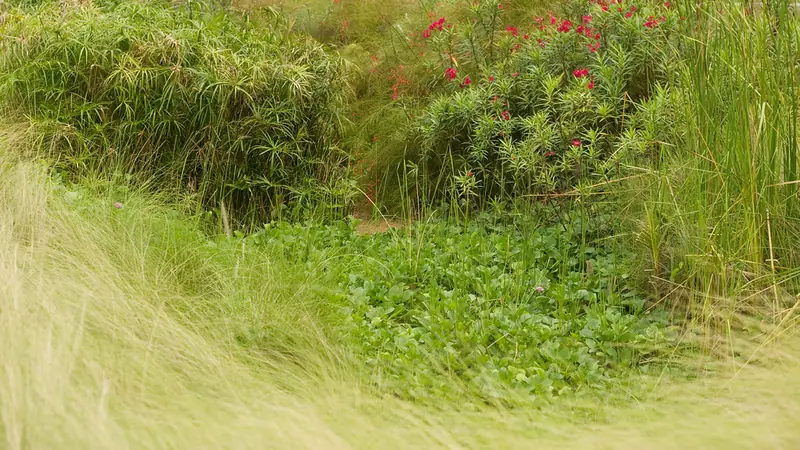
Minnesota says rain garden plants should suit your soil and tolerate standing water for up to 48 hours, and notes many native species are well suited; its plant list separates species for the wet basin from those for the drier upland edges. Illinois likewise calls for plants adapted to both flood and drought. Your local Soil and Water Conservation District or extension office can suggest species.
Maintenance
Minnesota notes rain gardens need little watering and maintenance once established, but Illinois stresses keeping up with maintenance so the garden keeps working for years. Illinois Extension also runs “Rainscaping” courses on siting, building and maintaining rain gardens.
Sources
- University of Minnesota Extension — Rain Gardens — Siting, setbacks, size, the 48-hour soil test, plants and construction.
- Illinois Extension — Rain Gardens (Rainfall Management) — Where to place a rain garden, percolation testing and the steps to build one.
Sources were checked when this guide was published. Where published guidance differs, this guide says so; for structural work, follow your local specification.
Worked examples are generated by the same tested calculation engine as our calculators. See our editorial policy and methodology.